Pacing Strategy for Hamburg Half
A kilometer-by-kilometer pacing plan for the Hamburg Half Marathon — plus the mental tricks that keep you disciplined when the crowds pull you forward.
Pacing Strategy for Hamburg Half
The Hamburg Half Marathon is one of the most scenic races in northern Germany — running along the Alster, through the city center, past iconic landmarks, and surrounded by enthusiastic crowds. But that electric atmosphere is also a trap. The excitement at the start pulls runners forward at a pace they can't sustain, and by kilometer 15, the bill comes due.
A smart pacing strategy is the difference between a strong finish and a painful death march. Here's how to get it right.
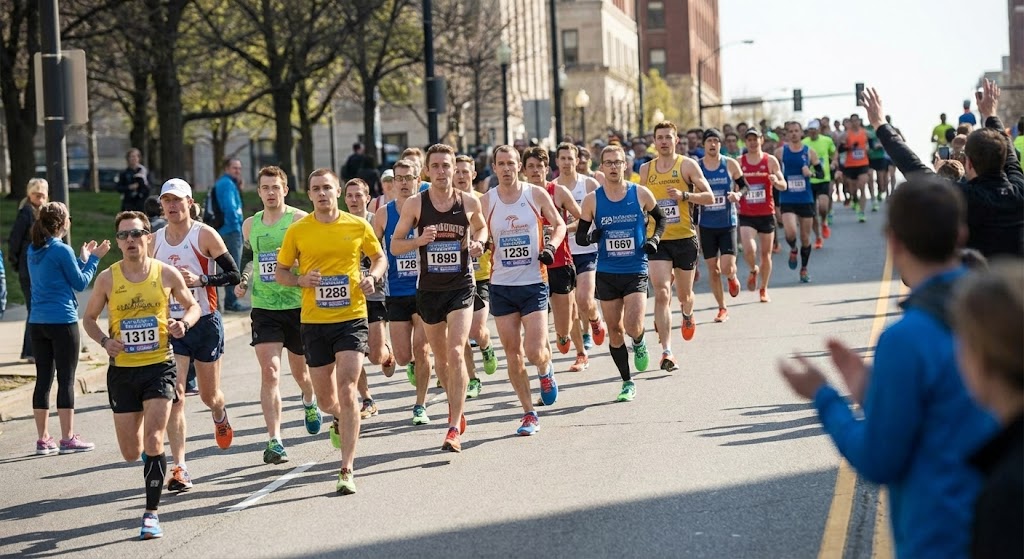
The Number One Rule: Negative Splits
The goal is to run the second half of the race faster than the first half. This is called a negative split, and it's the hallmark of a well-executed race. It requires discipline early on, but the payoff is enormous — you'll feel strong when everyone around you is fading.
Kilometer-by-Kilometer Breakdown
Km 1–5: The Patience Zone
- Run 5–10 seconds per kilometer slower than your goal pace
- The adrenaline will make this feel ridiculously easy. That's the point.
- Avoid weaving through the crowd. Find a clear lane and settle in.
- Heart rate check: If you're wearing a monitor, stay in Zone 2–3. If your heart rate is spiking, you're too fast.
Km 6–10: Finding Your Rhythm
- Gradually settle into your target pace
- Focus on smooth, relaxed form — shoulders down, arms loose, breathing controlled
- Take your first gel or a sip of sports drink around km 7–8
- This is where the race should feel almost meditative. Lock in and cruise.
Km 11–15: The Middle Miles
- You're at halfway. Assess how you feel — this is the truth-telling zone.
- Maintain target pace. Don't speed up yet, even if you feel great.
- Take fuel at km 14 — you'll need those carbohydrates for the final push
- Mental trick: Break the remaining distance into smaller chunks. "Just 10 km left" sounds better than "still more than half an hour."
Km 16–18: Time to Push
- If you've been disciplined, this is where you start to accelerate
- Increase pace by 5–10 seconds per kilometer — gradual, not explosive
- You'll start overtaking runners who went out too fast. Use their fading as fuel.
- Stay tall, keep your cadence up, and drive with your arms.
Km 19–21.1: Leave Nothing Behind
- This is your finish. Everything you saved is spent now.
- Focus on the next landmark, the next crowd, the next kilometer marker
- The final 2 km will hurt regardless of your pacing — but if you ran smart, you'll have the energy to push through it
- Smile for the cameras at the finish. You've earned it.
Common Pacing Mistakes
| Mistake | What happens |
|---|---|
| Going out too fast in km 1–3 | Glycogen depletion hits early, massive slowdown after km 15 |
| Running with faster friends | You end up racing their pace, not yours |
| Ignoring wind conditions | Headwinds on the Alster section require mental adjustment |
| Skipping fuel because you "feel fine" | By the time you feel bad, it's too late to recover |
Final Thought
A great half marathon isn't about running as fast as possible from the start. It's about running smart, staying patient, and unleashing your best effort when it counts. Trust the plan, run your own race, and enjoy every kilometer of Hamburg.